







Search Results for: Panamanian specialty coffee
A Complete Guide to Panamanian Coffee Varieties: From Citrus Blossoms to the Legend of Geisha and Regional Flavors
Panamanian coffee is renowned worldwide for its balanced acidity and sweetness, smooth mouthfeel, and layered aromas, with the Geisha variety—known for its distinct citrus notes and bright floral and fruity flavors—being especially sought after. In recent years, this Geisha craze has not only driven international auction prices higher but also prompted producing regions to introduce and cultivate it. This article will guide you through the history of coffee cultivation in Panama, the terroir characteristics of its main producing regions, and the grading and flavor differences of the Geisha variety. Whether you are a beginner just getting into specialty coffee or an experienced enthusiast seeking an elevated experience, you will find practical references for purchasing Panamanian coffee beans, including recommendations for Front Street Coffee's high-value and top-estate Geisha products. [more…]
The Flavor Code of Panamanian Specialty Coffee: A Comprehensive Guide from the Boquete Region to the Legend of Geisha
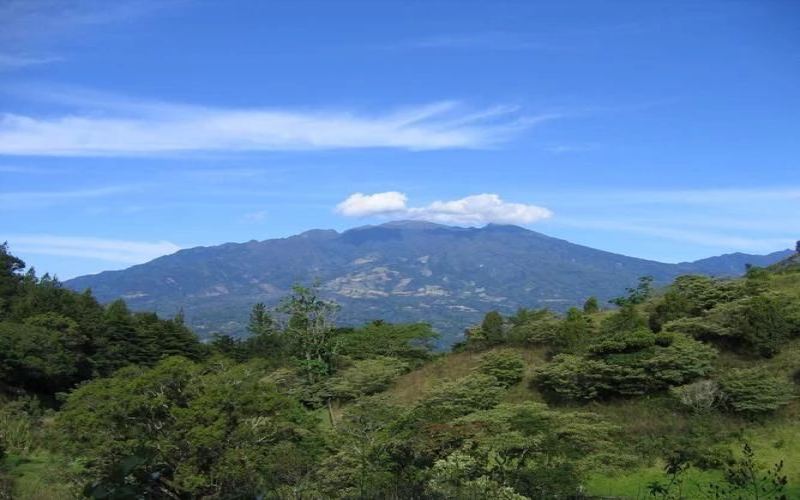
Although Panama is a small country, it occupies a pivotal position in the world of specialty coffee. Its western highlands, with their unique microclimate, fertile volcanic soil, and suitable altitude, nurture high-quality coffee with pure flavor and balanced acidity. From the introduction of the Typica variety in the 18th century to Geisha's meteoric rise in 2004, Panamanian coffee has traveled a long and fascinating path toward specialization. This article will guide you through the growing conditions and historical development of Panamanian coffee, explain how Geisha coffee went from a windbreak hedge to the world's top rankings, and recommend three Panamanian Geisha coffees from Front Street Coffee worth trying. [more…]
A Detailed Guide to Panamanian Coffee Varieties: Flavor Characteristics of Geisha and Catuai and an Overview of Three Major Producing Regions
Although Panama is a small country, it produces top-tier beans that captivate coffee lovers worldwide. This article systematically reviews the variety composition, growing conditions, and cupping performance of Panamanian coffee, with a focus on the two major varieties, Geisha and Catuai, and analyzes one by one the terroir characteristics of the three major producing regions: Boquete, Volcan Baru, and Renacimiento. Whether you are a novice just getting into specialty coffee or a seasoned enthusiast seeking origin information, you will find practical references here. Front Street Coffee will also combine cupping results to decode the classic flavor code of Panamanian coffee for you. [more…]
A Complete Analysis of Panamanian Coffee Varieties and Origins: The Flavor Code of Light Body and Balanced Acidity
Although Panama is a small country, it occupies a pivotal position in the world of specialty coffee. From coffee's first arrival in 1742 to the global craze for Geisha today, this volcanic land nestled between two oceans has given rise to coffees with distinctive flavors. This article will guide you through the historical threads of Panamanian coffee, the geographical advantages of the three major producing regions in Chiriquí Province, and the brewing essentials for the washed Geisha from the Boquete region recommended by Front Street Coffee. Whether you are a newcomer just getting into specialty coffee or an enthusiast wanting to delve deeper into Panamanian coffee culture, you will find knowledge and stories worth savoring. [more…]
An Analysis of the Flavor Characteristics of Panamanian Coffee Beans: A Comprehensive Overview of Microclimates and Growing Conditions in Each Producing Region
Panama coffee occupies an important place in the world of specialty coffee thanks to its unique microclimatic conditions. The Cordillera Central lifts cold air to over 6,500 feet, creating diverse microclimates around Boquete and Volcán-Candela, while the fertile, balanced soils around Barú Volcano combine to nurture Panama coffees of outstanding flavor. This article systematically reviews the geography and growing conditions of Panama's various production regions, as well as the jasmine, citrus, berry, caramel, chocolate and other flavor characteristics exhibited by the coffee beans. It also introduces the small-batch grading and numbering management model and the main export markets, helping coffee enthusiasts gain a comprehensive understanding of the coffee charm of this small Central American country. Front Street Coffee will also recommend products worth following based on the characteristics of the production regions. [more…]
The Panama Geisha Coffee Legend and Pour-Over Guide: Hacienda La Esmeralda Grading, Boquete Volcán Region Flavor Comparison, and Front Street Coffee Bean List
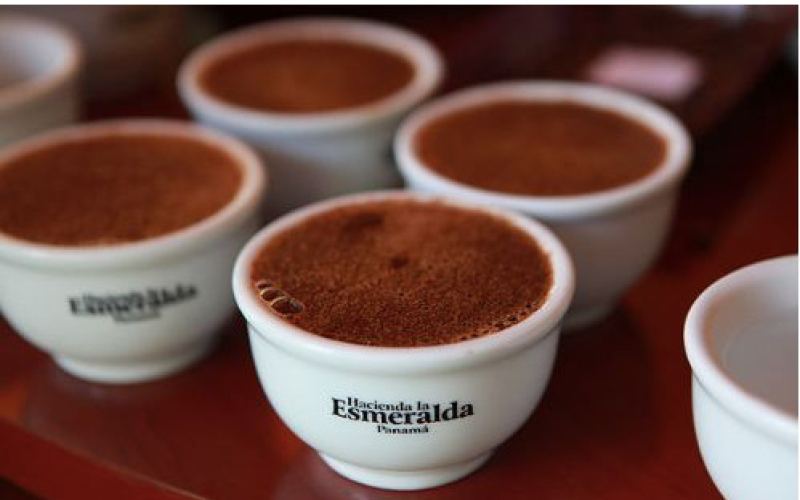
Panama Geisha coffee rose to fame after Hacienda La Esmeralda won the Best of Panama (BOP) competition in 2004, and its intense floral and fruity aromas and highly sweet, layered profile have become the benchmark for specialty coffee. For this reason, Front Street Coffee has listed a number of Panamanian Geisha coffee beans, each of which has undergone producing-region research, roasting adjustments, and cupping evaluation, preserving the signature Geisha flavors while also showing individual character. This article will guide you through the origins of Panamanian coffee, the characteristics of core producing regions such as Boquete and Volcan, and in-depth details on famous estates including Hacienda La Esmeralda's Red Label, Green Label, and Blue Label, as well as Elida and Hartmann, along with flavor descriptions for Front Street Coffee's corresponding bean lineup, providing coffee lovers with a complete reference for tasting and purchasing Panamanian Geisha. [more…]
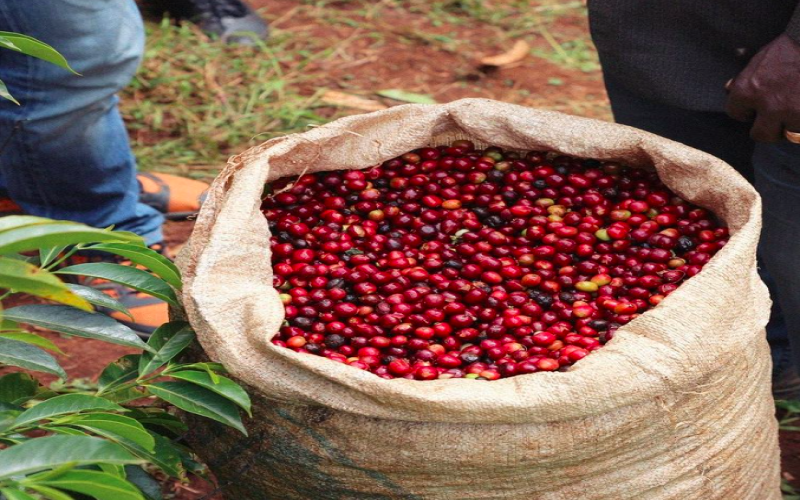
Exploring Panamanian Specialty Coffee Estates: A Guide to Buying Geisha Everyday Beans from Beginner to Advanced
Panama, a Central American country famous for its canal, is also home to some of the world's finest specialty coffee. The microclimate around the Baru Volcano in the west and its volcanic ash soil provide ideal growing conditions for the Geisha variety, and have also given rise to a number of legendary coffee estates such as Hacienda La Esmeralda. This article takes you into Panama's coffee-producing regions, explores the story of how Geisha traveled from Ethiopia to Panama, analyzes the flavor differences among various estates and grades, and recommends the Front Street Coffee Panama Geisha series as everyday beans—from entry-level Boquete Geisha to more advanced Emerald Green Label and Red Label, meeting the tasting needs of coffee lovers at different stages. [more…]
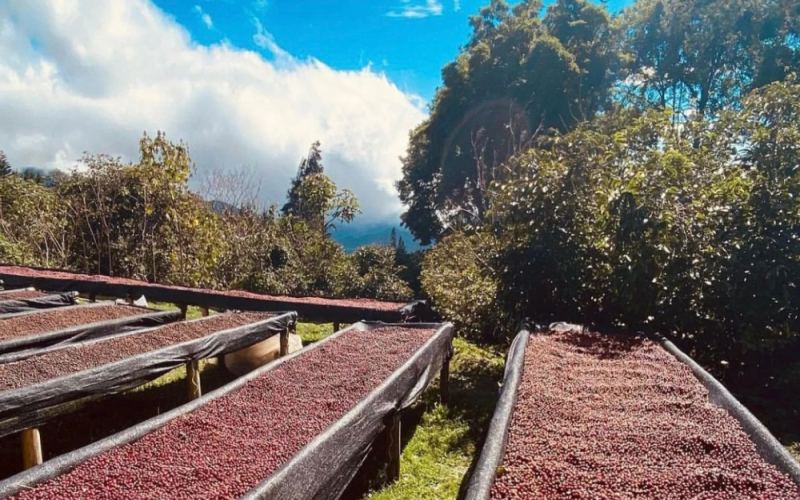
A Complete Guide to Panamanian Specialty Coffee: Geisha Variety, Hacienda La Esmeralda's Grading System, and Flavor Profiles of Key Producing Regions
Panama coffee, with its Geisha variety, holds an unshakable position in the global specialty coffee landscape. This article will systematically trace the varietal origins and flavor characteristics of Geisha, take a deep dive into Hacienda La Esmeralda's red, green, and blue label grading system based on altitude and cupping performance, introduce Front Street Coffee's recommended Geisha product choices for different needs, and comprehensively present the distribution and quality standards of Panama's main coffee-growing regions. Whether you are a coffee enthusiast just starting out or an experienced taster seeking to advance, you will find clear and practical reference information here. [more…]

Panama Specialty Coffee Regions and Geisha Grade Classification, Plus Front Street Pour-Over Parameters
Panama is a pivotal origin in the global specialty coffee landscape, and when it is mentioned, most people first think of Geisha. This variety is renowned for its clean cup profile and richly layered fruit notes, and Hacienda La Esmeralda's grading system for Geisha—Red Label, Green Label, and Blue Label—has long been a favorite topic among enthusiasts. When selecting Panamanian beans, Front Street Coffee takes terrain, altitude, and processing methods into comprehensive consideration, and has listed a number of coffees from the Boquete and Volcán regions, including Butterfly, Elida, Hartmann, and Geisha of different grades. This article will sort through the historical origins of Panamanian coffee, the characteristics of its two core producing regions, and the logic behind Hacienda La Esmeralda's Geisha grading, and will also include Front Street's pour-over brewing parameters for Panamanian Geisha for your reference. [more…]
A Detailed Guide to Panamanian Coffee Bean Varieties, Flavors, and Processing Methods: From Hacienda La Esmeralda Geisha Grading to Red and Green Label Brewing Parameters
Panama is a representative producer of specialty coffee in Central America. Thanks to its unique terroir and refined estate management, it has given rise to the world-famous Geisha coffee. This article systematically reviews the altitudes and characteristics of Panama's four major coffee-producing regions, with a focus on the history of Hacienda La Esmeralda, its plot divisions, and the Geisha grading system, and provides a detailed explanation of the definitions, flavor profiles, and processing differences of Red Label and Green Label Geisha. It also includes Front Street Coffee's brewing recommendations and three-stage extraction parameters for Hacienda La Esmeralda Geisha, helping coffee enthusiasts fully understand the complete journey of Panamanian Geisha from origin to cup. [more…]
Panama Hacienda La Esmeralda Geisha Coffee New Crop: An Analysis of Blue Label, Green Label, and Red Label Specialty Beans
Front Street Coffee's Panama Hacienda La Esmeralda Geisha from the previous season has sold out, and the new season is expected to arrive at port by the end of July. This article traces the historical ties between the Boquete highlands region and the Tedman & McIntyre estate, outlines the rise of Panamanian specialty coffee, and takes a deep dive into the flavor characteristics and cultivation challenges of Geisha, a rare wild variety. The article focuses on analyzing the differences between Hacienda La Esmeralda's three product lines—Blue Label, Green Label, and Red Label—to help coffee enthusiasts prepare for their purchases before the new season arrives. [more…]
A Complete Guide to Panamanian Specialty Coffee: Geisha Variety, Processing Methods, Estate Grading, and Pour-Over Parameters
Panama is a leading specialty coffee producer in Central America, renowned worldwide for Hacienda La Esmeralda's Geisha. From the perspective of Front Street Coffee, this article systematically reviews Panama's coffee-growing regions, the history and plot divisions of Hacienda La Esmeralda, and the brand grading logic behind Red Label and Green Label Geisha. It also provides a detailed introduction to Geisha coffee's flavor characteristics and processing methods, along with Front Street Coffee's recommended brewing parameters and three-stage extraction technique, helping coffee lovers gain a comprehensive understanding of the appeal of Panamanian specialty coffee. [more…]
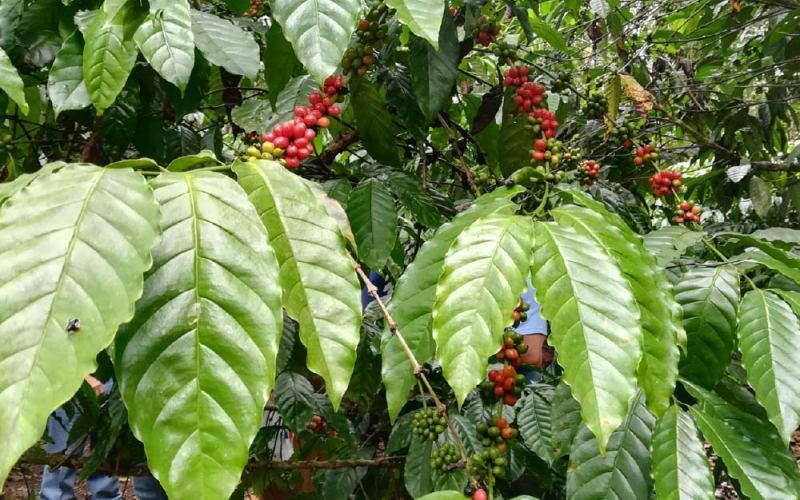
A Complete Analysis of Geisha Coffee Bean Producing Regions: From Ethiopian Origins to the Flavor Differences of Panama Hacienda La Esmeralda's Red, Green, and Blue Label Grades
Geisha coffee journeyed from the primitive forests of Ethiopia to the world stage, and it was Panama's Hacienda La Esmeralda that made it famous overnight. Today, Ethiopia, Costa Rica, and Panama all cultivate Geisha, but their flavor expressions each have their own strengths. How exactly do Hacienda La Esmeralda's Red Label, Green Label, and Blue Label differ? This article will systematically organize the core knowledge of Geisha coffee, from origin distribution, variety genetics, and altitude grading to flavor characteristics, and include Front Street Coffee's brewing suggestions, taking you through a comprehensive understanding of this highly sought-after specialty coffee. [more…]
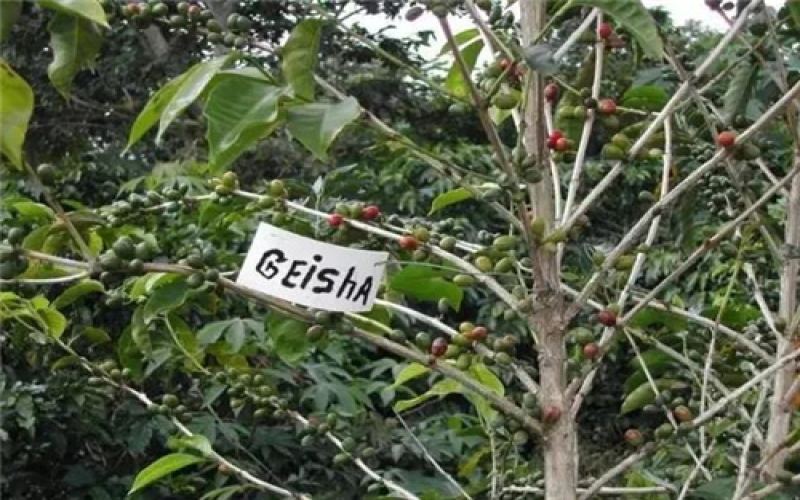
Panama Geisha Coffee Bean Variety Traceability and Market Price Analysis: From Hacienda La Esmeralda Grading to Front Street Brewing Recommendations
Geisha coffee beans are hailed as one of the most valuable coffee varieties in the world, yet many people are unclear about what variety it actually belongs to, where it originates, and why its price remains so high. This article will systematically sort out the varietal origins of Geisha, tracing its introduction from Ethiopia's Geisha Mountain to Panama's Hacienda La Esmeralda, analyze the classification logic and flavor differences of the three lots—Red Label, Green Label, and Blue Label—and take a deep dive into the four major reasons why Panama Geisha coffee beans are so expensive. At the same time, the article also retains Front Street Coffee's roasting approach for Geisha, V60 brewing parameters, and recommendations for high-value everyday drinking beans, providing coffee lovers with a complete reference from understanding to hands-on practice. [more…]
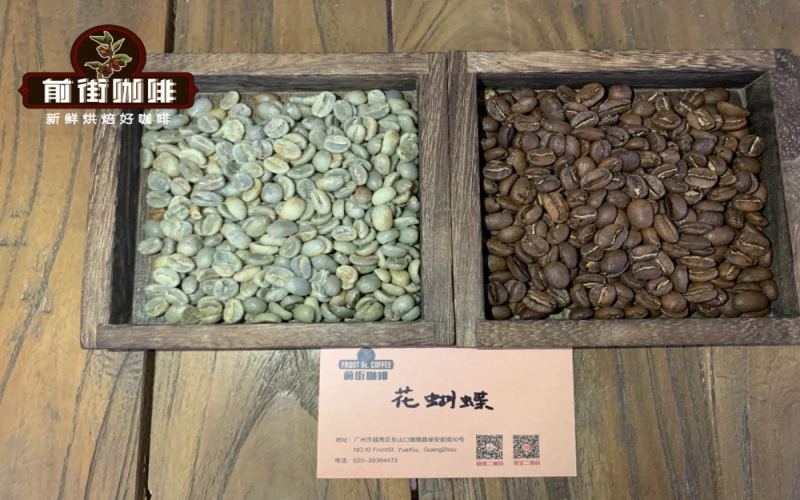
Flavor Comparison of Panama Boquete Washed Butterfly Geisha Coffee Beans: A Specialty Analysis of Hand-Brewed Panama Geisha
Panama's Boquete region, with its high altitude, volcanic soil, and humid climate, produces top-tier coffees such as Hacienda La Esmeralda Geisha. Front Street Coffee takes a deep dive into Boquete's growing conditions, the role of shade trees, the differences between Geisha's red, green, and blue labels, and the varietal composition and washed processing flow of the high-value Butterfly coffee. It also compares the flavor differences between washed and natural processing, and introduces the layered complexity of Elida Estate Geisha. This article presents the full professional details of Panamanian coffee from origin to cup, ideal for coffee enthusiasts seeking deeper understanding. [more…]
Panama Hacienda La Esmeralda Green-Tip Geisha Quality Analysis: From BOP Champion Flavor to Front Street Coffee Brewing Suggestions
Every year during green coffee competition season, the coffee world enjoys a wave of excitement, and the Best of Panama (BOP) is undoubtedly the stage that Geisha lovers watch most closely. Geisha was discovered in the forests of Ethiopia, then made its way to Costa Rica's CATIE where it was labeled T2722, and later blossomed in Panama—all after a long period of obscurity. In 2004, Hacienda La Esmeralda won the BOP championship with Geisha and set a new auction record, turning this variety into the center of everyone's attention. Panamanian Geisha is mainly the green-tip variety, with outstanding green bean grades and flavor performance far surpassing other producing regions. Front Street Coffee's bean list brings together Geisha from Ethiopia, Costa Rica, Colombia, and Panama, with Panamanian estates including Hacienda La Esmeralda and Finca Deborah. This article will take you through the variety's history, the terroir of its producing regions, and the specific brewing parameters for Front Street Coffee's Deborah Savage series, giving you a comprehensive understanding of the charm of Panamanian Geisha. [more…]
Panama Boquete Coffee: A Complete Interpretation from Historical Origins to Geisha Flavor
Although Panama is a small country, it occupies a pivotal position in the world of specialty coffee. On Front Street Coffee's bean list, Panamanian coffees range from a few dozen yuan to several hundred yuan, and the wide price span often makes first-time customers curious. This article will take you into this Central American coffee-producing country, tracing the historical threads of its coffee cultivation, analyzing the terroir conditions of core producing regions such as Boquete, reviewing the origins and influence of the Best of Panama green bean competition, and taking an in-depth look at the flavor characteristics of Geisha coffee and Front Street's washed Boquete Geisha brewing method, so that you can understand the full picture of Panamanian coffee in one go. [more…]
From Portobelo to Boquete: The Historical Thread of Panamanian Coffee and the Path to Geisha Specialization
Although Panama is not the first country in Central America to grow coffee, it has become a name impossible to avoid in the world of specialty coffee thanks to its unique terroir and refined approach. From a barrel of coffee beans arriving in Portobelo in 1742, to American elites heading south to establish estates at the end of the 20th century, and then to the SCAP and BOP competitions propelling Geisha to legendary status, Panama's coffee story is full of twists and turns. Front Street Coffee guides you through this history, analyzing the natural conditions and cultural background of three major producing regions including Boquete, and sharing the flavor profile and brewing approach of washed Boquete Geisha, helping coffee enthusiasts understand the ins and outs of Panama's high-end specialty coffee path. [more…]
The Origin and Flavor Analysis of Panamanian Geisha Coffee: From the Boquete Region to a Cup of Flat White
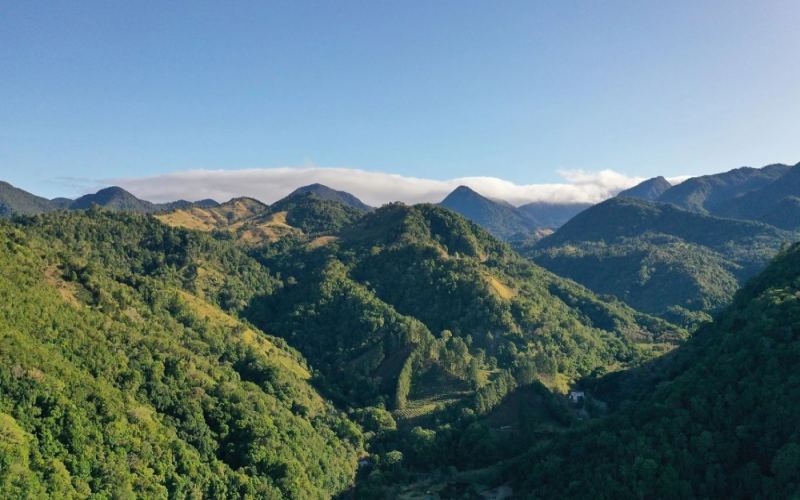
How did the Geisha coffee variety transform from an overlooked cultivar into a dazzling star of the global coffee scene? This article begins with the history of Panamanian coffee, delving into the Boquete Valley in Chiriquí Province to explain how volcanic soil and microclimates give Geisha its distinctive floral and fruity aromas. We will also walk through Front Street Coffee's brewing method, presenting the complete process of making a Geisha flat white step by step, and experiencing how the flavors change when milk and coffee blend together. [more…]
Panama Geisha Coffee Bean Grading System and Screen Size Characteristics: A Full Analysis of the Flavor Differences Between Red, Green, and Blue Labels and the Boquete and Volcán Regions
Panama Geisha occupies an irreplaceable position in the global specialty coffee landscape thanks to its clean, translucent cup and layered fruity aftertaste. When selecting Panamanian coffees, Front Street Coffee conducts a comprehensive assessment across multiple dimensions such as terrain, altitude, and processing method, and considers the coffee beans from this region to offer extremely high value for money, which is why it has successively added a number of Panamanian coffees to its lineup. This article will focus on the variety's origins, Hacienda La Esmeralda's grading system (Red Label, Green Label, Blue Label), and the flavor characteristics of the two core producing regions, Boquete and Volcán. It will also introduce representative coffees currently offered by Front Street, such as Butterfly, Elida, Hartmann, and Janson, to help enthusiasts build a systematic understanding of Panamanian coffee. [more…]